My Farm

Farm Overview

Here's a look at the place where I grew up and still work with my family.

The Pritchards have farmed here since around the Civil War. The place now covers about 480 acres, most of it in crops, hay and pasture.

Mom and Dad own and operate the farm, and my younger sister Julie and I work with them. We share the work between the fields and the barns.

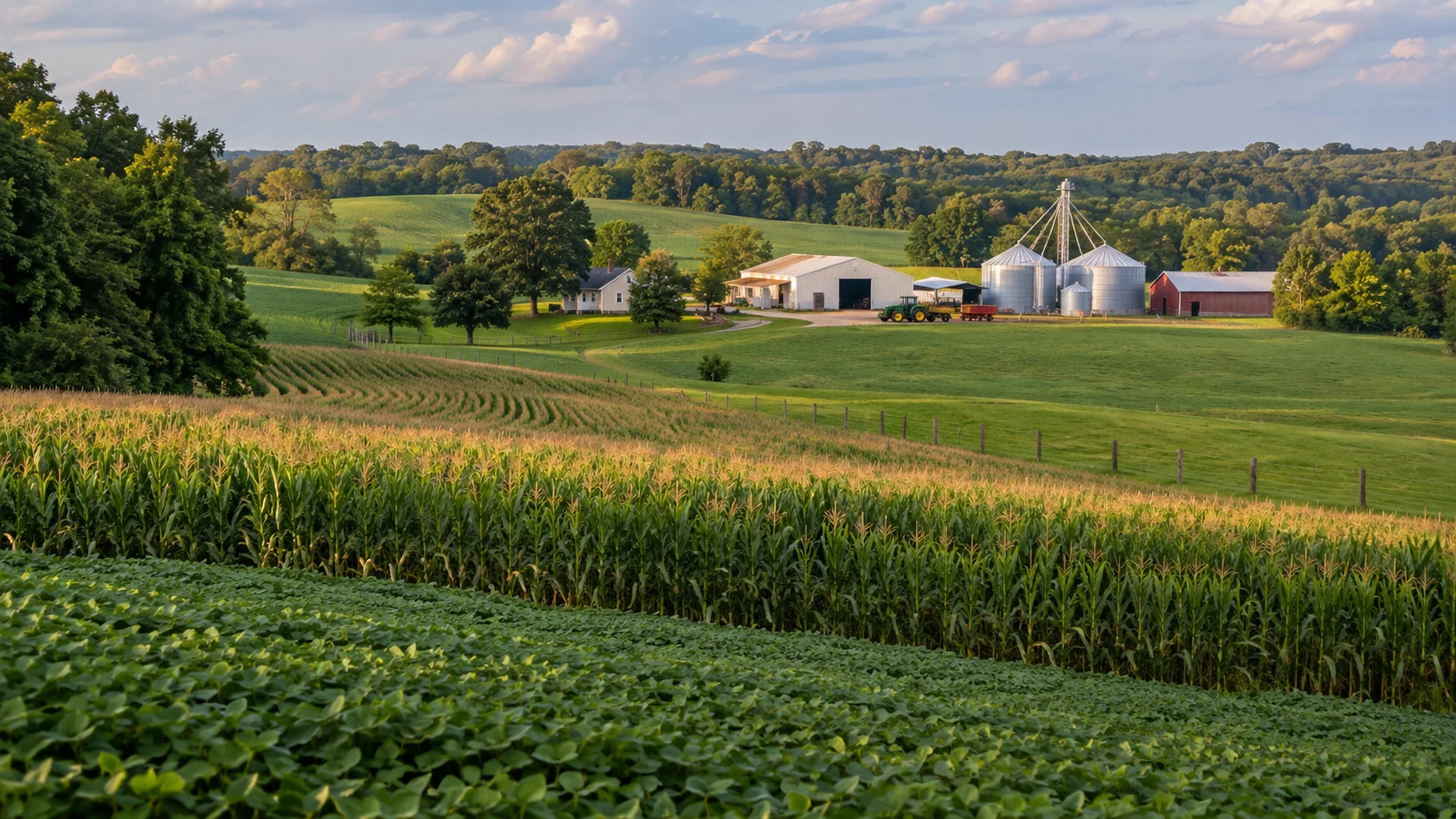
Rolling southern Illinois farmland with corn, soybeans, a farmstead, barns and grain bins in warm evening light

The broad picture

What we raise

Our grain crops are corn, soybeans, winter wheat and milo. We sell grain and keep some for feed. We put up our own hay as well.

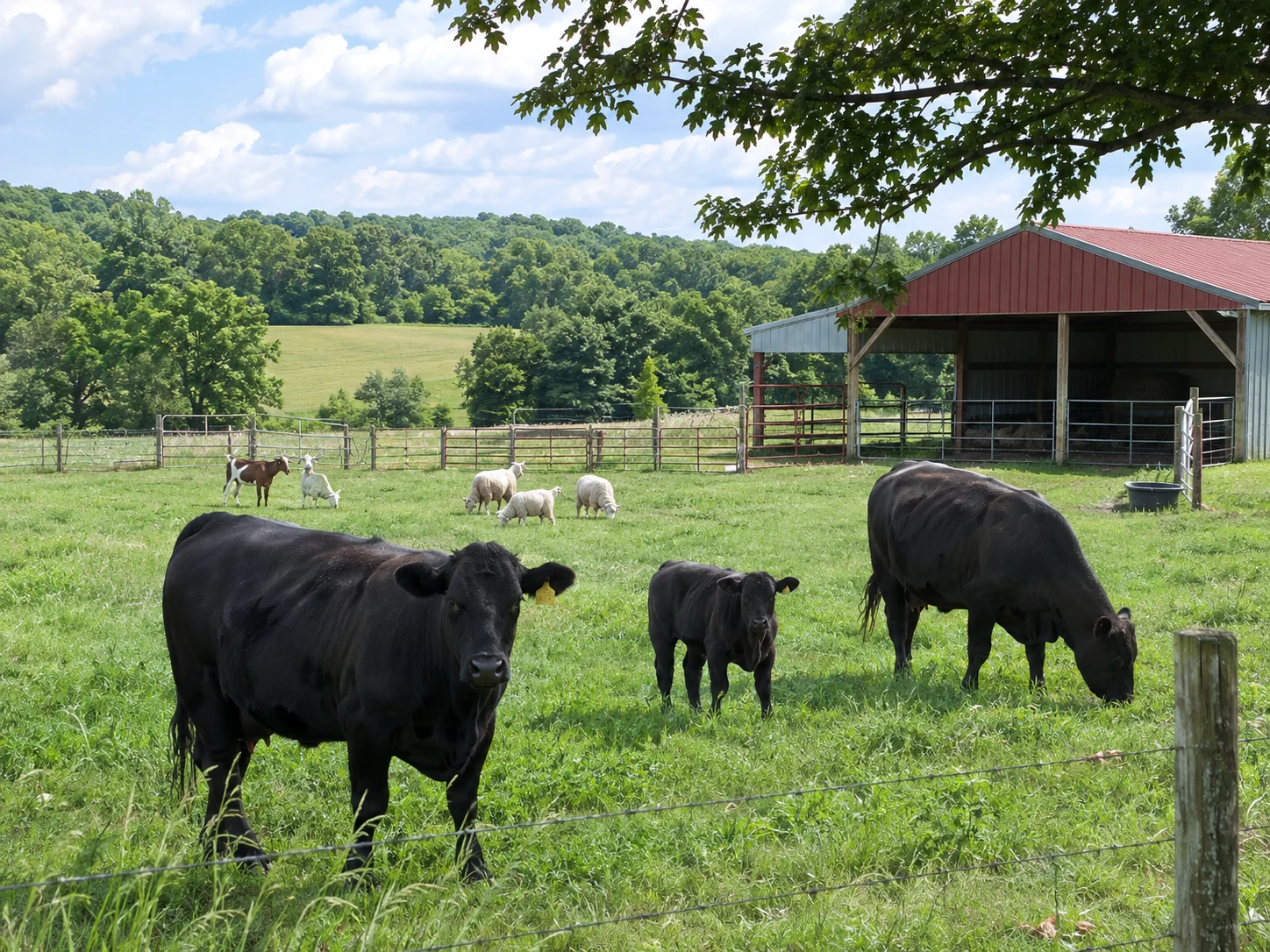
We've got about twenty Angus beef cattle, forty Holstein dairy cattle, three Highland cows, thirty Boer goats, fifty Saanen dairy goats, forty Suffolk sheep, roughly seventy-five Yorkshire hogs, several horses and a few dozen chickens, turkeys and ducks. Those numbers change a bit as young animals come along and others are sold.

The barns, sheds and corrals account for some of the acreage, along with the timber, lanes and other parts of the farm. There are two ponds out in the pasture ground.
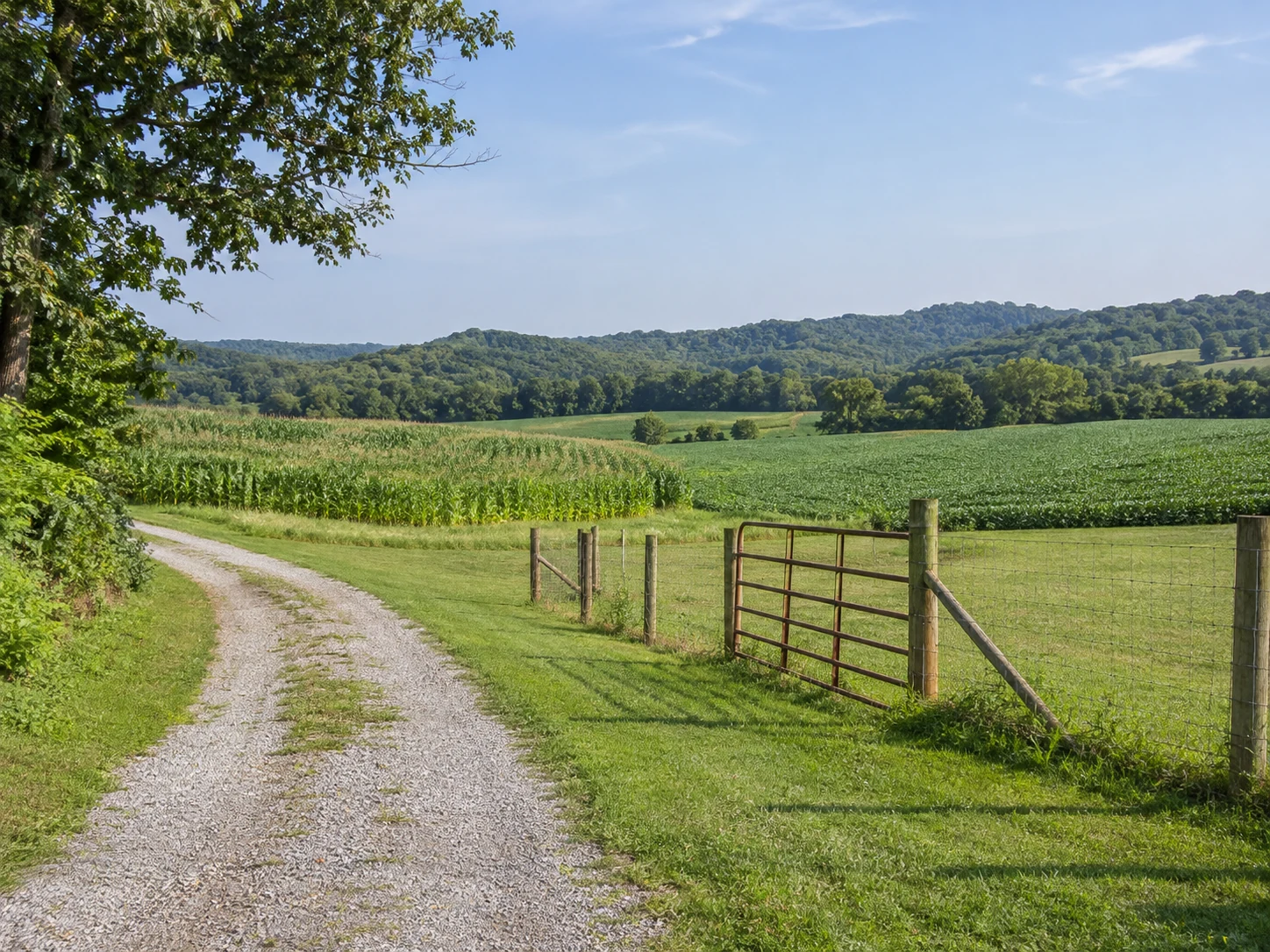
A gravel farm lane beside a gate, pasture fence, corn and soybean fields, with wooded southern Illinois hills beyond
Southern Illinois farm country. Around Anna, the land rolls more than people often expect, and the fields are broken up by tree lines, woodlots and draws.

Family ground

Our family farm

The farm didn't come to us in its present form. It's changed over the years as the family added ground, put up buildings and found different ways to work the place.

I learned a lot of my early farm work from Mom and Dad. There are still things I want to ask them, especially when I'm working with a piece of ground they've known much longer than I have.

It's nice to have Julie working here, too. We know the place well enough to pick up where somebody else left off when we need to.

The year in motion

How the seasons shape the work

Winter

We feed and milk the animals, work on equipment and go over the plans for spring.

Spring

As the ground dries, we get ready to plant corn, beans and milo. The winter wheat's already growing, and we're watching the pastures for new grass.

Summer

We cut wheat, bale straw, make hay, spray crops and look after the animals through the hotter weather.

Fall

We harvest corn, beans and milo, haul grain and drill the next crop of winter wheat. We also make sure we're ready to feed the animals through winter.